From species confirmation to IH-supervised clearance — the complete protocol for black mold in Millington properties.
Identification
🔍Species Confirmation via Lab Analysis
We confirm species via accredited lab analysis before applying the Type III protocol. Dark mold in your Millington, MI property isn't automatically Stachybotrys — but we find out before we scope and price the job.
Containment
🔥Type III Containment Establishment
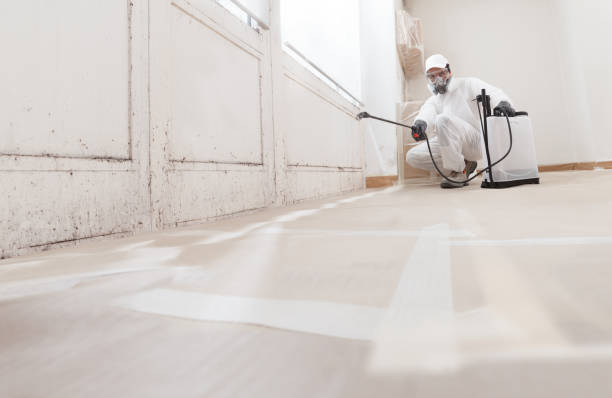
Double poly, HEPA negative air, smoke-pencil verified, decon mat at entry. Established and verified before the first cut into contaminated material.
Removal
🔨Complete Contaminated Material Removal
Contaminated porous material comes out completely. Double-bagged, documented disposal. No in-place treatment as a substitute for removal in confirmed Stachybotrys scenarios.
Treatment
💧Structural Surface Treatment & Encapsulation
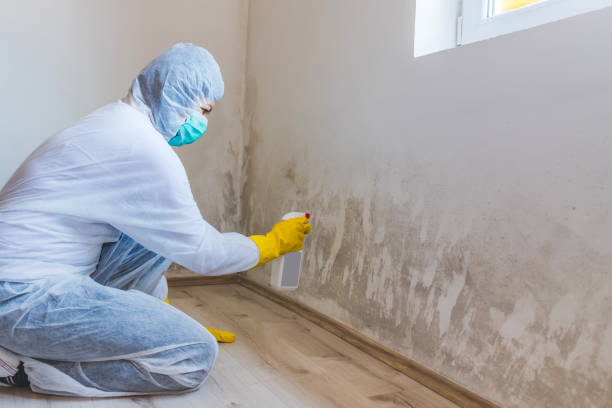
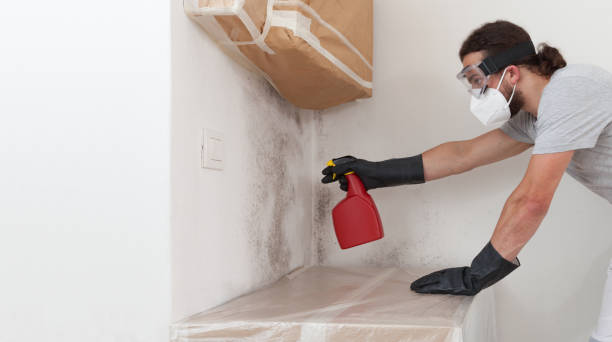
After material removal, remaining structural framing is HEPA-vacuumed, treated with EPA-registered fungicide rated for mycotoxin-producing mold environments, and sealed with mold-resistant encapsulant. Physical barrier plus chemical treatment on every exposed structural surface in the remediated zone.
Drying
💨Moisture Source Identification & Correction
Stachybotrys only establishes on material that has been consistently wet for an extended period. Its presence confirms a sustained moisture source — plumbing leak, roof infiltration, chronic condensation, or ground moisture intrusion. We identify and document the source and provide specific corrective recommendations, because removal without source correction produces recurrence within months.
Clearance
✅IH-Supervised Post-Removal Clearance
After removal and treatment, an independent industrial hygienist collects post-clearance air samples from the remediated zone and outdoor comparative locations. Accredited lab analysis confirms Stachybotrys spore counts are within acceptable post-clearance parameters. Written IH clearance report is the deliverable — suitable for insurance, real estate, and legal use in Millington, MI.